


Thousands of Ukrainians are receiving training in the United Kingdom, where Lithuanian instructors form a core group of instructors. After five weeks of basic training, the Ukrainian troops will then head into battle; many of them will not be seen again.
First you feel a sea breeze, then you notice a fake Irish town constructed decades ago. Then, you smell the smoke and hear the gunfire. Only after getting closer, you finally hear Ukrainians swearing.
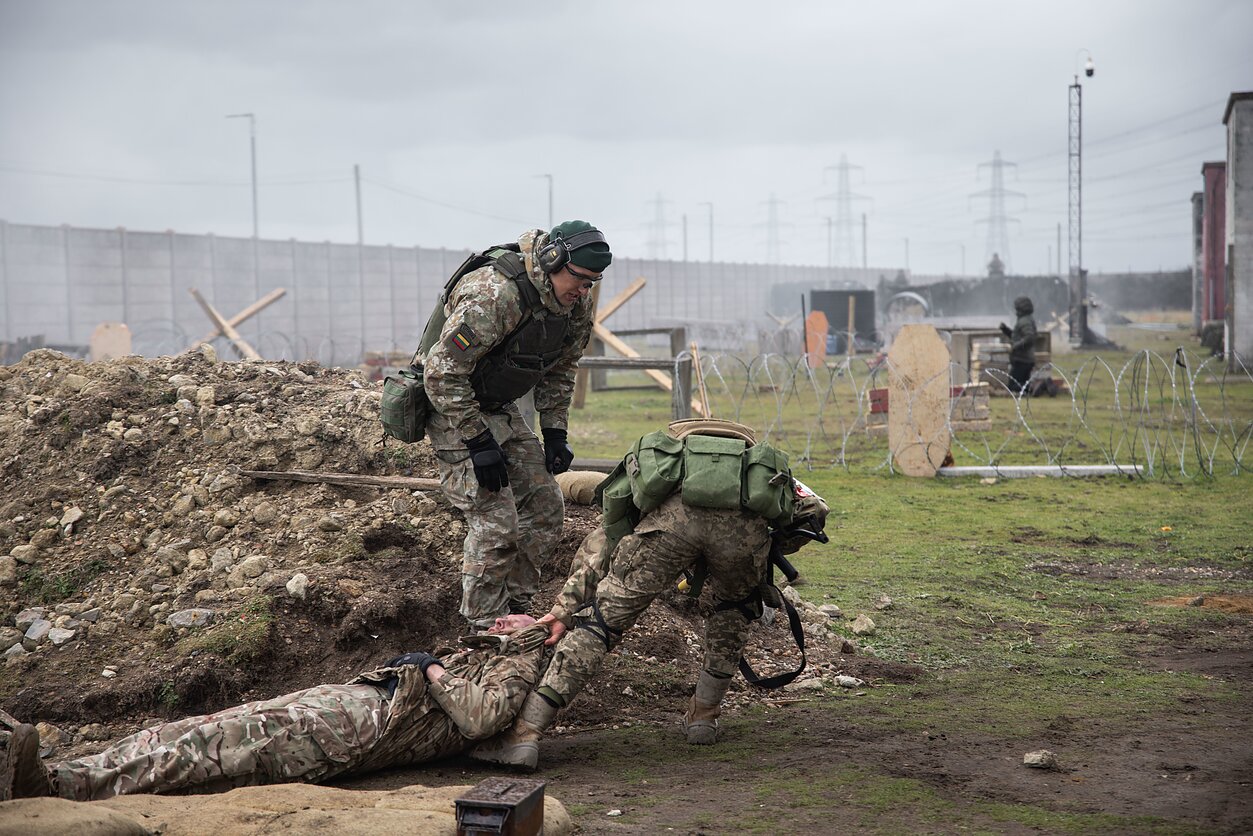
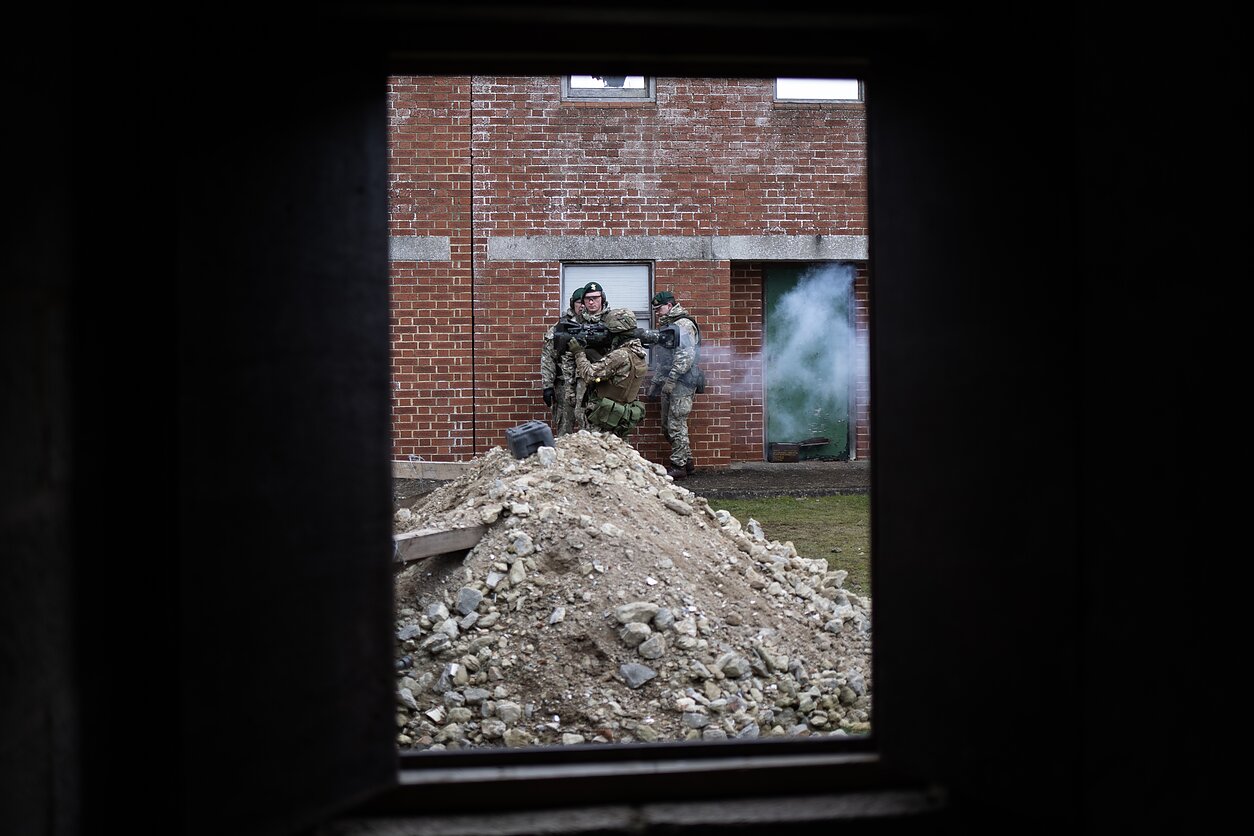
We are at a training area in southeastern England, where a group of Lithuanian soldiers are preparing Ukrainian recruits for war.
“It's nice to talk to Lithuanian instructors, even outside of training. They are very open and we understand each other perfectly,” says Long, a nickname, from Odessa. “We are very grateful to them for supporting us in such a difficult time in Ukraine.”
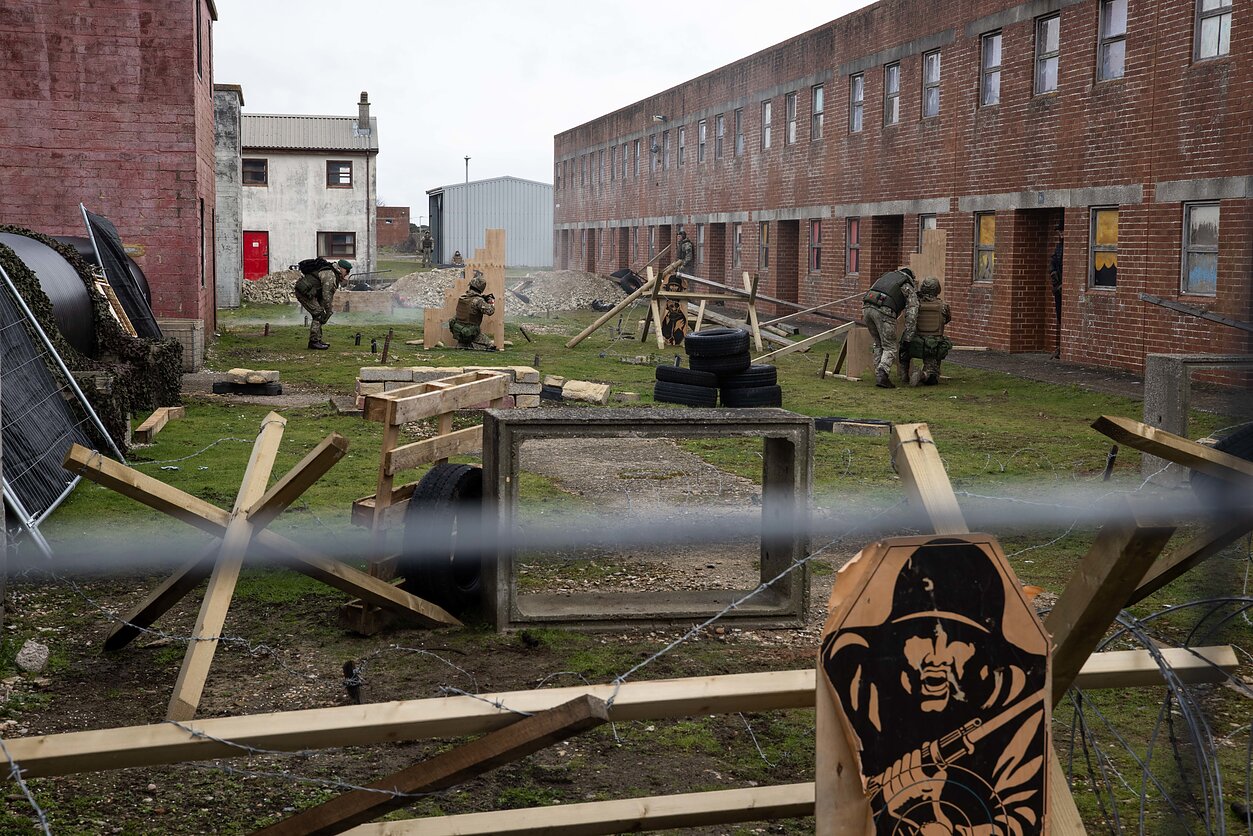

Yet everyone carries the heavy toll of what’s to come. Their escape from air raid sirens and full-scale war is just five weeks long, after which the Ukrainians will head into battle.
Ukraine initially shied away from recruiting young men for the war effort, unless they had previous combat experience. Now, with losses likely in their tens of thousands, more young faces are among the new recruits. It’s impossible from this, however, to draw a clear picture on Ukraine’s own mobilisation woes.
“I'm probably very tense, very scared, like everyone else. What can I say? This is a war,” Long adds. “We all know how high the losses are there, but that's why we are here, to end these losses, to end this war.”
“We are all tired, and not only in Ukraine, we are all tired of this war,” he says.
Some of those who were running along these streets under Lithuanian guidance have already been killed and injured.
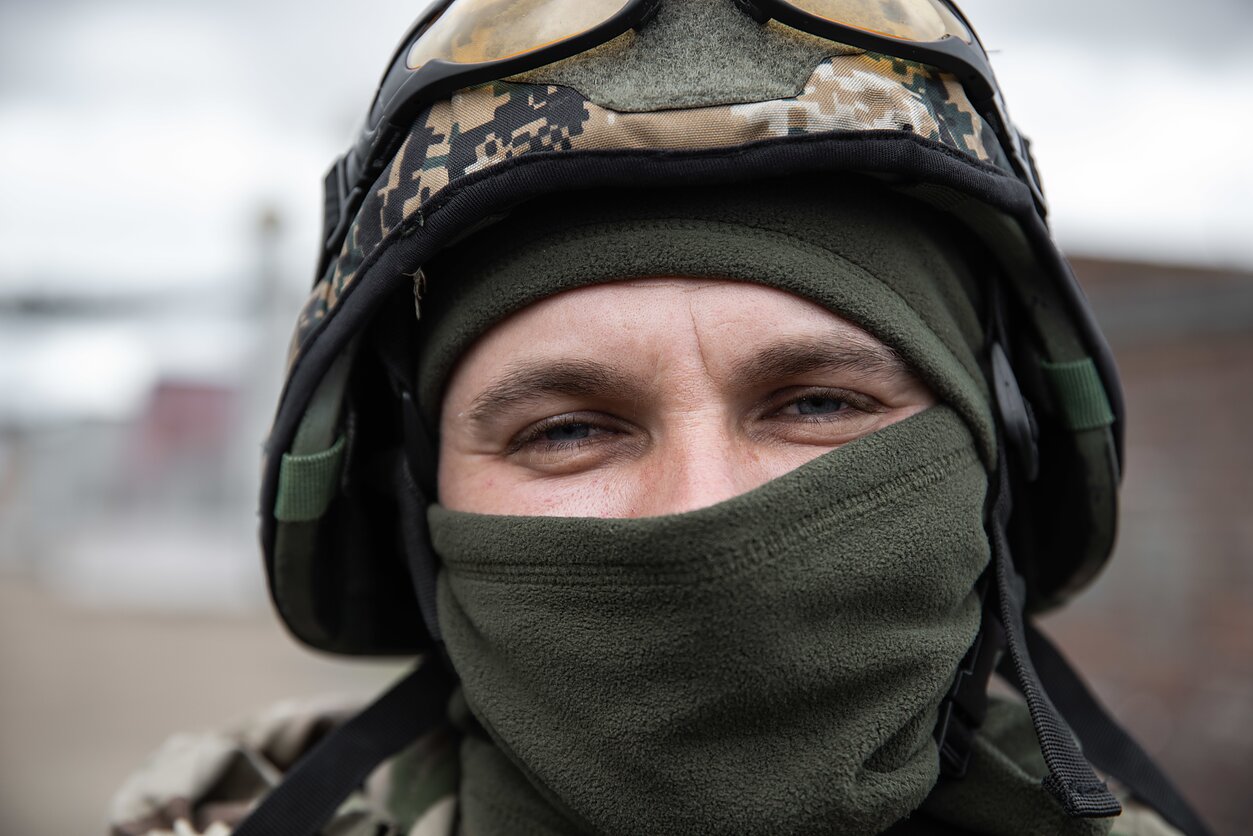

“Some guys from the last rotation were already injured. One of them was killed, but it’s only from among the guys that I knew very well, there are more,” says Maryna Kornuta.
She is from a group of instructors living on the base. She is also a refugee - Kornuta arrived in the United Kingdom in April last year, just weeks after the Russian army made their push onto Kyiv.
“When I got the news that the guy was killed, I was crying for three days,” she adds. “But what we can we do, it’s our life, it's war.”
Goodbyes after the end of training are particularly painful.
“Sometimes it can all be very emotional, a couple of days ago we had to say goodbye. All the interpreters were crying. Five weeks is quite a long time, you get used to them,” she says. “It’s very hard to say goodbye [knowing] that they go straight to war, to the frontline.”
After their departure, they try to keep in touch.
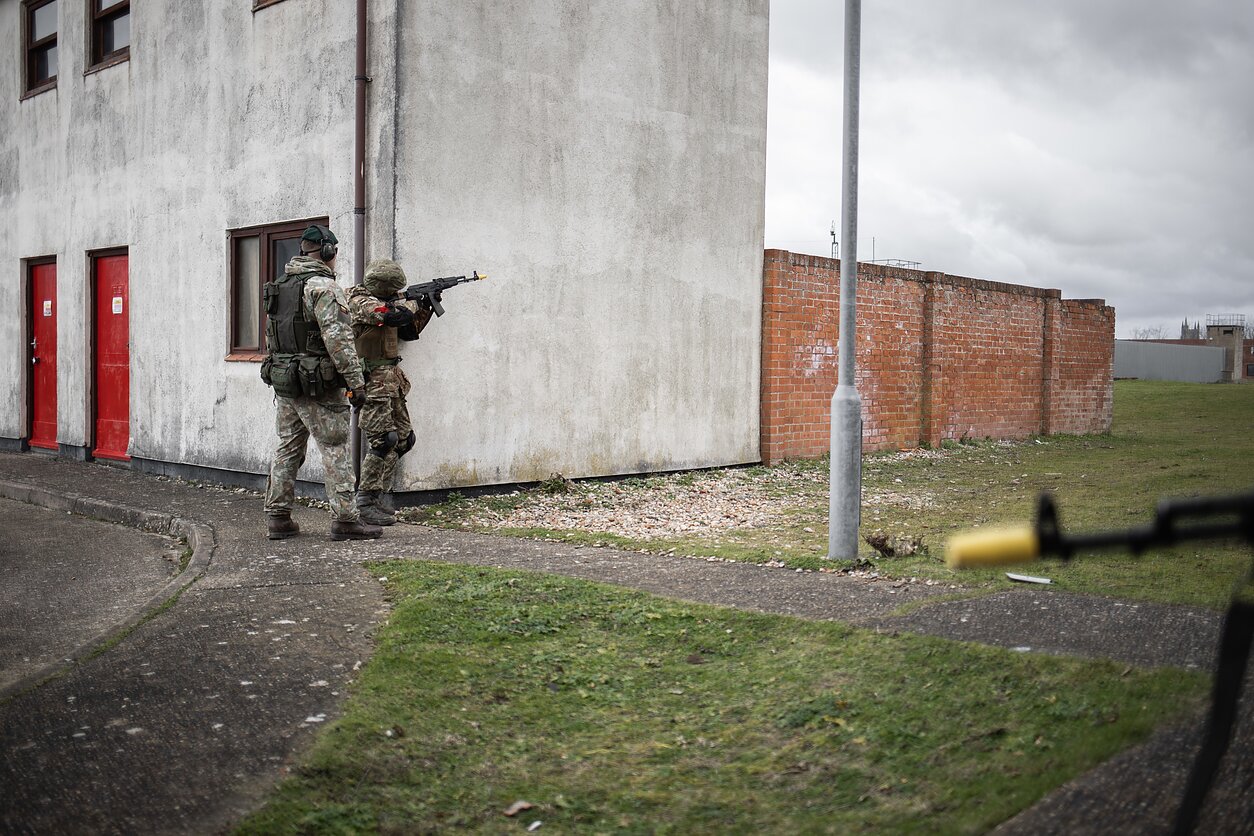
“They say they miss Britain, miss the instructors,” says Kornuta. “We try to support them, saying that God is on our side, that everything will be okay, just remember all the rules and experience that you took from here, from Lithuanians as well.”
It's impossible to spend five weeks together and not make friends, she says.
“Now you are nervous every time,” Kornuta says. “Maybe it's the last time you see these guys, it's hard mentally.”
This is something that also weighs heavily on some of the instructors. Many of the Ukrainians are in their late teens, early 20s.
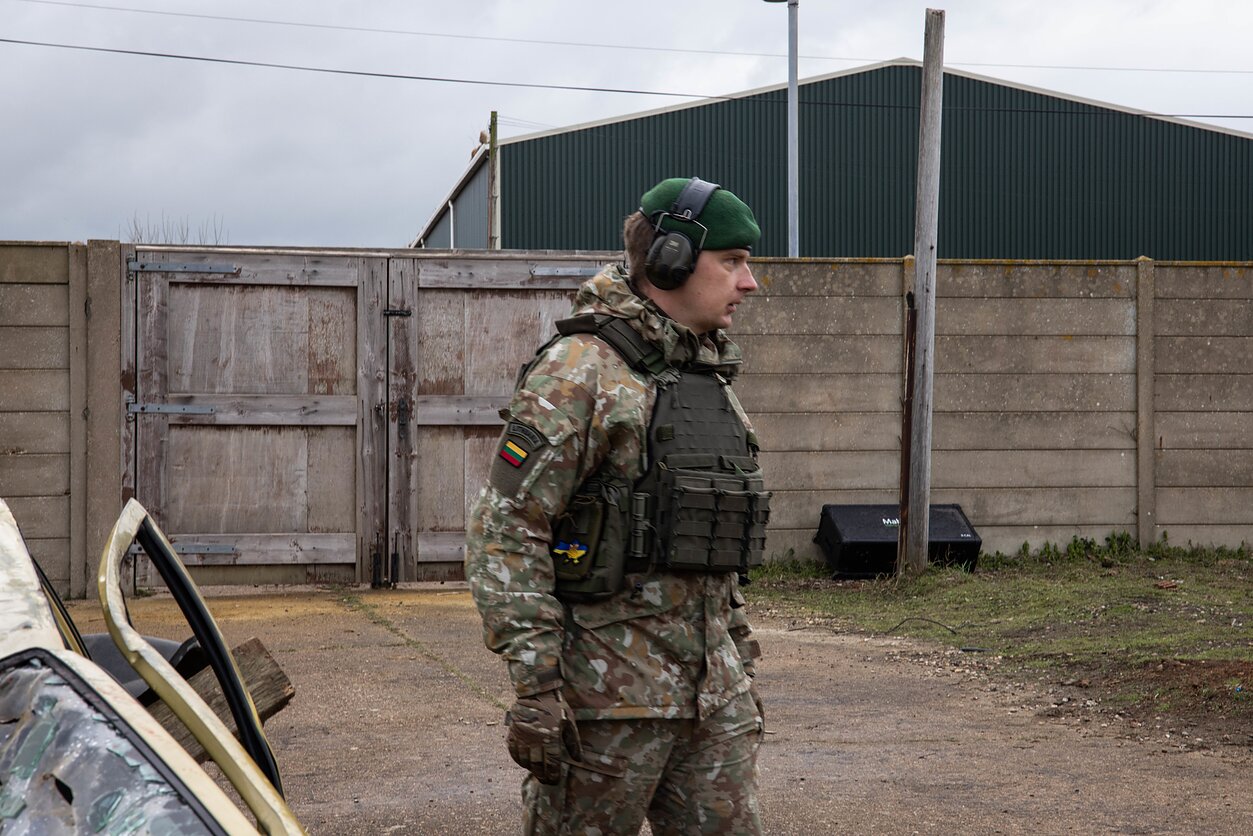
"They are all young, you can see that their motivation is high, they all know that they are not going somewhere but to war. For all the instructors, this war is important, it adds more motivation to prepare them as well as possible," says Captain Edmundas Barzdys, the head of Lithuanian instructors in the current rotation.
He pauses for a second, before continuing - "It's a pity for the soldiers, it's not clear what the outcome of going to war could be for them."
Language barriers
Lithuania joined the Interflex mission in mid-2022, helping Britain train some 10,000 Ukrainian troops. Now, 18 instructors are onsite, hoping to boost the number of trained Ukrainians this year.
"We are planning to send eight rotations this year, and we are now visiting the first one [which] arrived on 25 January," says Major Jurgis Norvaiša, a spokesperson for the Lithuanian military. "In total, Lithuania plans to train, as a separate unit, 500 troops."
Alongside Lithuania, other countries part of the mission includes Canada and Nordic countries.
The training done in Britain coincides with different programmes in Lithuania, where the local instructors prepare Ukrainian snipers and specialists, including on how to use the plethora of NATO-supplied weapons. Here in Britain, however, it is only the basic army course.
"This is basic knowledge for someone who has never had anything to do with the army," says Major Norvaiša. "It is a five-week course where Ukrainian citizens who are called up to the army get basic tactical knowledge [about] weapons, shooting."
"Our instructors tell us that they understand a very simple thing - after these intensive weeks in the UK, they go back to their country to defend it," he adds.
Finding a common language is something that benefits the instructors the most.
"The most important thing [is] the lack of a language barrier," says Captain Barzdys, the head of current instructors.
"We can have direct contact with the soldiers without the help of translators, the soldiers can talk, they can express their problems [and therefore we can] train them more effectively," he adds.
The Ukrainians are among thousands who have been mobilised or volunteered to head into battle. According to them, there are many who would like to receive training here.
“The big advantage is that [Lithuanian instructors] speak Russian, the Kacap [derogatory term for Russians] language,” says Pizhon from Ivano Frankivsk. “The Lithuanians teach us very well, they won't teach us like that in Ukraine because [here] we use NATO methods.”
“Our instructors were at war in Iraq and Africa. So we are very, very pleased with them,” he adds. “The Lithuanians teach us from their combat experience. And that's what we like the most.”
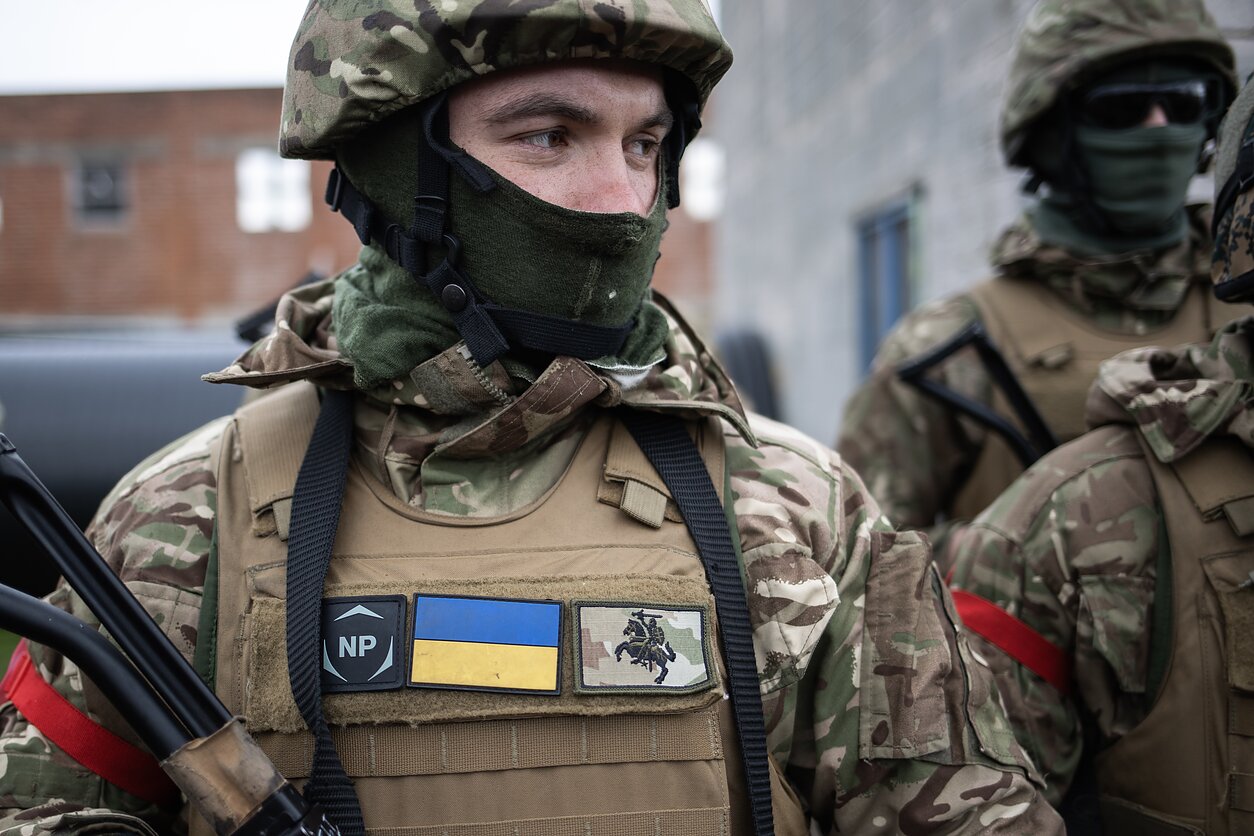
While some instructors have seen combat, none of them have experienced first-hand what Ukraine has been through for the past year. One Lithuanian instructor says he is acutely aware of that.
They do what they can, he says, “but it’s difficult and a big responsibility knowing the Ukrainians will soon be in battle”.
Lithuania’s Chief of Defence Valdemaras Rupšys was also part of the delegation who visited the training centre together with the country's ambassador to London, Eitvydas Bajarūnas, and Defence Minister Arvydas Anušauskas.
Speaking to reporters on site, Rupšys was candid: "When training Ukrainians, [we] are allowed not only to impart knowledge, but also to learn, and then to impart the same to our troops."
"There are definitely a lot of lessons adapted [from Ukraine]. Tactical procedures, fortifications, use of equipment and techniques already taking into account the experience Ukraine has in the war with Russia," says Rupšys.
"In the end, we will also put into our tactical manuals, doctrines, what we experience here," he adds.
War normality
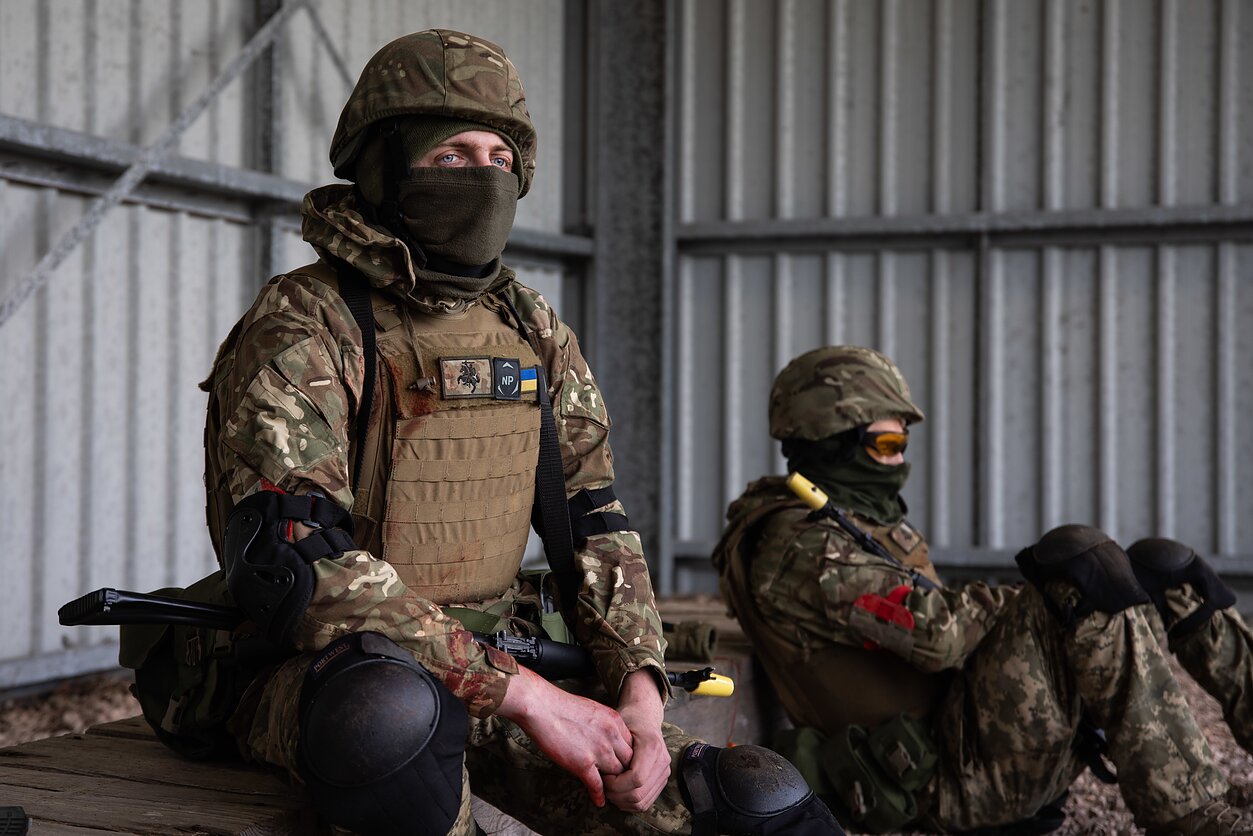
Like for many others, it’s the first time Andriy is in the United Kingdom. It’s also his first time abroad.
“It’s interesting,” he shrugs. “And practical. We are given something here that we can learn and that will be useful to us in Ukraine.”
He first tried to join the army at home in Odessa when the war began, but then he was deemed too young.
“After a while I was hired, but in another region. They didn't like my age. For them, 19 is still considered immature, like a child,” he says. “And then almost a year passed and I was hired. I am almost 20 now.”
His mother is already in the military, serving as an officer. “I stayed at home for half a year, looking after my younger sisters. Then I worked for another six months.”
Meanwhile, Odessa was bombarded almost constantly. Instead of fearing explosions, people became afraid of the moments when an uneasy silence would descend upon the city, says Andriy.
“And so the shellings became a normality, unfortunately,” he adds.

Newsletter
Every Friday morning.
